Trying a new feature on WordPress let me know what y’all think.
Pip: Welcome back to The Mad Poet’s Street Corner, where the sidewalk always has something to say about the state of your soul.
Mara: This episode moves through some real territory — what love actually requires, how we hold ourselves together when we can’t tell up from down, what renewal looks like when you’re still in the rubble, and one very quiet vision of what happens after we’re gone. All of it from Jordan Francis The Mad Poet.
Pip: Let’s start with love — and specifically, what you owe before you’re allowed to receive it.
Love Without a Price Tag
Mara: The question running through these posts is whether love has conditions — whether you have to be producing, giving, or performing to deserve it.
Pip: The poem “You Can Be Loved With Empty Hands” says no, plainly and repeatedly, and then says it one more time in capitals for the people in the back.
Mara: That’s exactly what it does. The setup is direct: “You don’t have to constantly give and give without getting anything in return. You’re valuable even when you’re not productive. And deserve love constantly.”
Pip: So the argument isn’t just emotional reassurance — it’s a direct challenge to the transaction model of love that a lot of people quietly operate on.
Mara: And “Love Needs Translating Sometimes” extends that by pointing out that even genuine love can fail to land. If your partner’s language is words of affirmation and yours is acts of service, the post says, “without translation you’ll both feel neglected and unLoved, even though you may Love each other deeply.”
Pip: Effort without comprehension. You can pour everything into someone and still miss them entirely.
Mara: “Love Is” widens the frame further — it’s a meditation that draws on 1 Corinthians, calling love “the greatest joy and the greatest sorrow” and asking what we really have without it. And “I’m Not Just An Island” brings it down to the personal: the speaker identifies as an archipelago — close enough to others to connect, far enough to withdraw — and admits they don’t yet know how to close that distance.
Pip: An archipelago longing to be a village. That’s a precise kind of loneliness.
Mara: Which makes the translation question feel urgent — because if connection is already hard to maintain, miscommunication in love makes it harder still.
Holding Ground in the Storm
Pip: When the ground shifts, what do you actually hold onto?
Mara: “Finding Balance in Uncertainty” sits inside that exact question. The speaker can’t tell high from low, can’t locate the ground — but lands on three certainties: “I am a warrior poet. I will survive this just like I have survived everything else life has thrown at me. And finally, three — this too shall pass, it may pass like a kidney stone, but it will pass.”
Pip: Three anchors in a hurricane. That’s not optimism — that’s triage.
Mara: “Goodbyes And Cemeteries” works the same territory differently, asking how many losses a heart can absorb before it becomes a cemetery. And “A Journey Through The Dark Side” argues that the path forward runs straight through the shadow — the trauma, the conditioning, the fear — because there are no bad parts, only wounded ones.
Pip: All three posts land in the same place: you don’t get through by going around.
Warrior, Kite, and Paper Walls
Mara: These posts are about the move from surviving to actually living — and what it takes to make that crossing.
Pip: “As Long As It Takes” makes a promise: “I’ll keep shouting into the void, screaming my messages of hope and resilience, shouting that there are better days ahead.”
Mara: The commitment there is unconditional — not contingent on the road being short or easy, just on the fact that you’ve already made it this far. “Dawn Of A New Day” carries that forward, asking whether we’ll rise to meet the morning or hide from it, and landing on the image of flying your hopes like a kite — momentum isn’t always forward, sometimes two steps back reveals a new way through.
Pip: And “Breaking Free from Paper Walls” names what holds people back — beliefs built on shifting sands, conditioning from childhood and trauma — and asks whether you’re still chained or finally tearing them down.
After We’re Gone
Pip: And then there’s the one that steps all the way outside the human story.
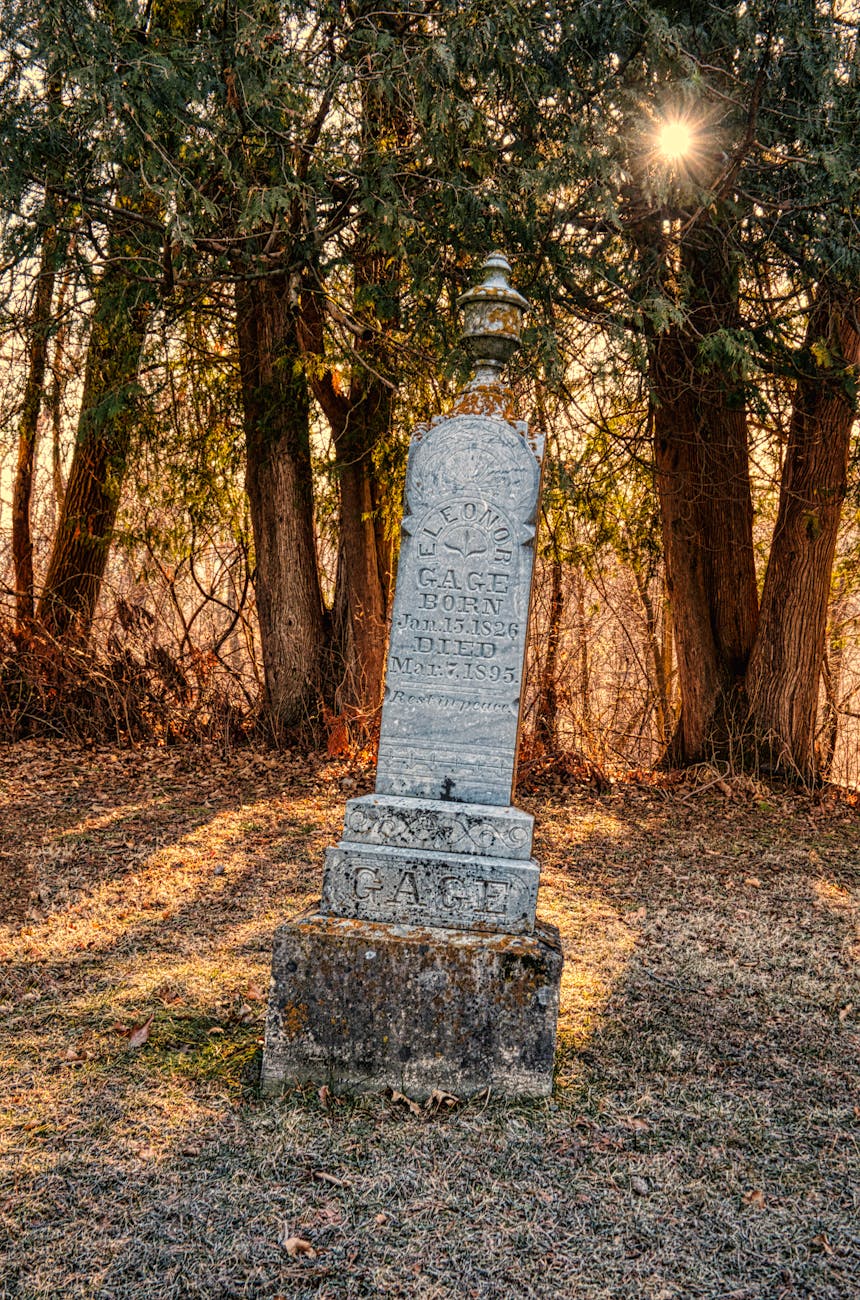
Mara: “Overgrown” is a speculative poem — the site flags it as a departure — and it earns that label. Cities decay, animals return, and the cause isn’t a single catastrophe: “we disappeared not through some great big bang, but slowly tearfully with great defiance we slowly succumbed to our own wickedness.”
Pip: Data centers replaced playgrounds. We handed our reasoning to algorithms. The earth simply outlasted us.
Mara: What’s left is a garden world growing over the ruins — our bones as scaffolding for something new. It’s bleak, but it isn’t nihilistic. The earth doesn’t mourn. It just continues.
Pip: Empty hands, lost bearings, paper walls, and a world that grows back over our bones. Not a light week at the Street Corner.
Mara: But the thread holds — love requires translation, survival requires honesty about the shadow, and renewal requires showing up even when you can’t see the ground.
Pip: More from the corner next time.
Share this:

Discover more from The Mad Poet's Street Corner
Subscribe to get the latest posts sent to your email.